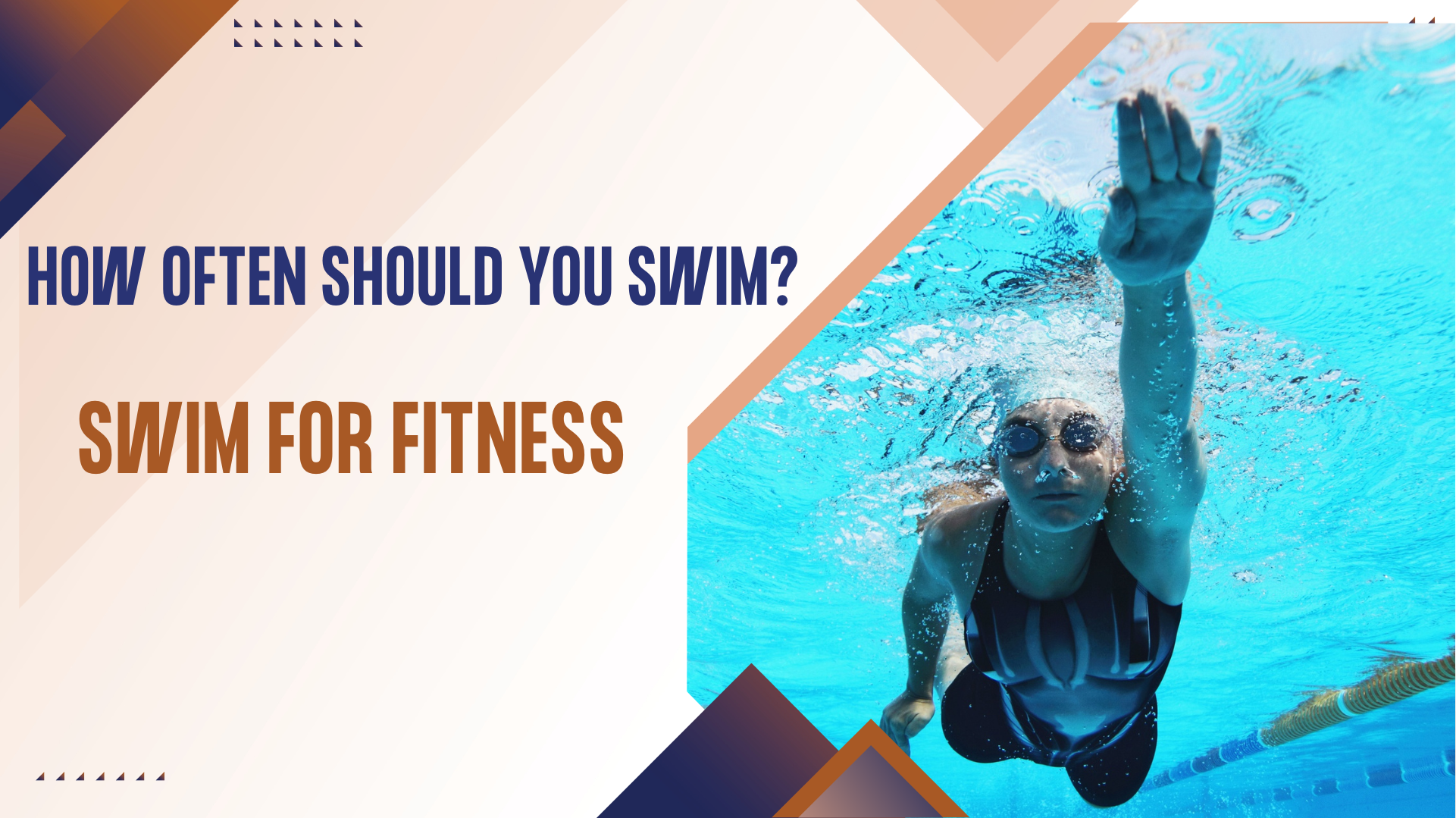
Swimming can be a steady workout. Many people also find it kind on their joints. You stay in motion, and you often work more than one set of muscles at the same time. You can set your own speed too, based on how you feel that day.
If you are new to swimming, you might ask how often to swim each week. The answer is not the same for everyone. A few factors will shape your best plan.
Your current fitness level matters. Your past experience in the pool matters too. Your goals and your weekly time also play a role. Even how your body reacts to training is important. If you are a beginner, you usually do not need to swim every day. Progress often comes faster when you keep a steady plan that you can actually maintain.
This is true whether you want better endurance or you just want to stay active. It can also help you fit swimming into your overall routine.
How Often Should You Swim for Fitness?
For many new swimmers, two to three pool sessions per week is a good place to begin. This gives your body time to get used to swimming. It also lets you practise often enough to build comfort.
Each session does not need to be very long. You can start with something manageable. Then, as you feel more at ease, you can add more time and enjoy regular sessions at a swimming pool in Jaipur.
Why Is Swimming Good for Fitness?
Swimming works many parts of your body. Your arms and legs do a lot of the work, and your core and back help keep you steady. It is a way to stay active without getting stuck with one kind of workout, like a standard gym routine.
Here are possible upsides of swimming often:
It can boost heart and lung health
It may help muscles last longer
It can build overall stamina
It can support range of motion and flexibility
It is usually easier on your joints than many exercises on land
It helps you move more while lowering the pounding your joints take
What you get out of swimming can vary. Your results depend on how hard you swim, how long each session lasts, your form, how often you go, and also sleep, food, and how active you are in general.
You can also pair swimming with other activities. That can make your training feel less repetitive and give you more balance in your routine.
How Long Should a Beginner Swim?
You do not have to stay in the water for a full hour at first.
If you are new, try about 20 to 30 minutes total. Keep it easy. Take pauses if you need them.
Once you feel better, you can add a little more time little by little.
Here is one way to set up a session:
– 5 minutes: Move around and warm up
– 15 to 20 minutes: Swim at a steady, comfortable pace, with brief rests
– 5 minutes: Swim easy and then cool down
Don’t compare your progress to people who have been in the pool for years.
Focus on what you can control.
Keep working on your own stamina.
Improve your form step by step, as time goes on.
A Simple Weekly Swimming Routine for Beginners
If you are wondering how to fit swimming into your schedule, keeping things simple can help.
Monday: Swim
Go in easy at first. Focus on solid form and smooth strokes. Keep the pace steady.
Tuesday: Rest or something light
Take a break. A short walk helps. You can also do easy stretching or gentle mobility.
Wednesday: Swim
Do the same swim as before. If it feels fine, add a bit more time in the water.
Should Beginners Swim Every Day?
Not necessarily.
You do not always need to swim every single day when you are just starting out. Your muscles and body need a little time to rest, mainly if you are increasing how much you do.
Instead of focusing on the question, “Do I have to swim daily?”, try something simpler:
“Is this plan doable for me in the long run?”
Choose a training plan that feels steady. If you stick with it week to week, that often beats a tough plan that leaves you drained after only a few tries.
Stop your workout if you feel pain that seems strange. Also stop if you feel overly worn out in a way that is not like you, if you feel dizzy, or if anything else seems wrong. Talk with a trained health professional as soon as you can.
How to Get More From Your Swimming Sessions
Just being in the water does not guarantee good results each time. Some simple structure can help your swim time count more.
- Work on Form
Better form can help you swim with less stress and waste. If you are new, focus on breathing, body position, kicking, and the basics of each stroke. Avoid the urge to race for speed right away.
- Build Distance Slowly
When your current routine feels manageable, add distance or add active swim time little by little.
Avoid suddenly doubling your workload.
3. Add Short Intervals
After building a basic fitness level, you can alternate between comfortable swimming and slightly faster intervals.
For example:
- Easy swimming
- Moderate pace
- Short faster effort
- Recovery swimming
The exact intensity should match your fitness level.
4. Take Recovery Seriously
Rest days are not wasted days. They give your body time to recover and adapt to physical activity.
If swimming is combined with gym workouts, badminton, squash or other sports, make sure your overall weekly activity is manageable.
Swimming vs. Other Fitness Activities
Swimming does not have to replace every other form of exercise.
A balanced fitness routine can include different activities based on your interests and goals.
For example, you could combine:
- Swimming for cardiovascular fitness
- Gym workouts for strength training
- Badminton for agility and recreational fitness
- Squash for movement and coordination
- Yoga for flexibility and mobility
All Starr Sports Club in Jagatpura, Jaipur, offers swimming along with a gym, badminton, squash, yoga, Zumba, and other sports and fitness facilities. This allows members to add variety to their weekly activity routine instead of relying on only one type of exercise.
How Many Days a Week Should You Swim to Stay Fit?
For general fitness, 2–3 swimming sessions per week can be a reasonable starting point for many beginners.
Once your body becomes comfortable with regular swimming, you can adjust the frequency depending on your goals.
For example:
For general fitness: 2–3 sessions per week
For improving endurance: 3–4 sessions per week
For structured swimming training: Frequency may be higher and should be planned according to the individual’s training level and goals.
Remember that more is not always better. The quality and consistency of your sessions matter too.
What Should You Bring to the Swimming Pool?
If you are starting a swimming routine, keep your swimming essentials ready so that going to the pool becomes easier.
Depending on the facility’s rules, you may need:
- Proper swimwear
- Swimming cap
- Goggles
- Towel
- Water bottle
- Appropriate footwear for the pool area
- Personal toiletries
Always check the swimming pool’s specific rules before your first visit.
For example, All Starr Sports Club’s pool rules include requirements around appropriate swimwear and pool attire.
Choosing the Right Swimming Pool in Jaipur
If you want to swim regularly, the swimming environment can make a difference to your consistency.
When choosing a swimming pool in Jaipur, consider:
- Pool cleanliness and hygiene
- Safety arrangements
- Pool timings
- Water conditions
- Accessibility
- Changing and shower facilities
- Availability of swimming guidance or training
- Membership or session options
All Starr Sports Club in Jagatpura offers an indoor swimming pool with lap lanes and facilities for fitness, training and recreational swimming. The club also combines swimming with other sports and wellness facilities.
How to Stay Consistent With Swimming
The biggest challenge for many beginners is not starting—it is staying consistent.
Here are a few simple ways to make swimming a regular part of your lifestyle:
Pick Fixed Days
Choose two or three days that work with your schedule and treat them as your swimming days.
Keep Your Goals Realistic
You don’t need to become an expert swimmer immediately. Start with small improvements.
Track Your Progress
Keep a simple record of your swimming time, distance or number of sessions per week.
Make It Enjoyable
Swimming should not feel like a punishment. Choose a comfortable pace and gradually challenge yourself.
Combine It With Other Activities
Adding activities such as gym workouts, badminton, squash or yoga can keep your overall fitness routine interesting.
Final Thoughts
So, how often should you swim for fitness?
For most beginners, starting with 2–3 swimming sessions per week is a practical way to build consistency. As your fitness, confidence and swimming technique improve, you can gradually adjust your frequency, duration and intensity.
The goal isn’t to swim as often as possible. It is to create a routine that you can maintain while allowing enough time for recovery.
If you are looking for a swimming pool in Jaipur where you can make swimming part of a broader fitness routine, All Starr Sports Club in Jagatpura offers swimming along with gym, badminton, squash, yoga and other recreational facilities.
Make Swimming Part of Your Fitness Routine
Ready to start swimming regularly?
Visit All Starr Sports Club in Jagatpura, Jaipur, and explore its swimming pool and other fitness facilities. Whether you are a beginner looking to build a routine or someone who wants to add swimming to an existing workout plan, you can enquire about available sessions, memberships and facility access.
Frequently Asked Questions
- How many times per week should a beginner swim?
A beginner should try **two to three swims each week**. After that, they can build up as they feel ready.
- How long should a beginner swim?
At first, a session can be about **twenty to thirty minutes**. Then they can add a bit more time over weeks.
- Does swimming help with fitness?
Yes. Swimming can support heart health, endurance, muscle stamina, and everyday movement.
- Can I swim and also work out at the gym in the same week?
Yes. Swimming fits well with gym sessions and other activities like badminton, squash, or yoga.